Tag Archive: fishes


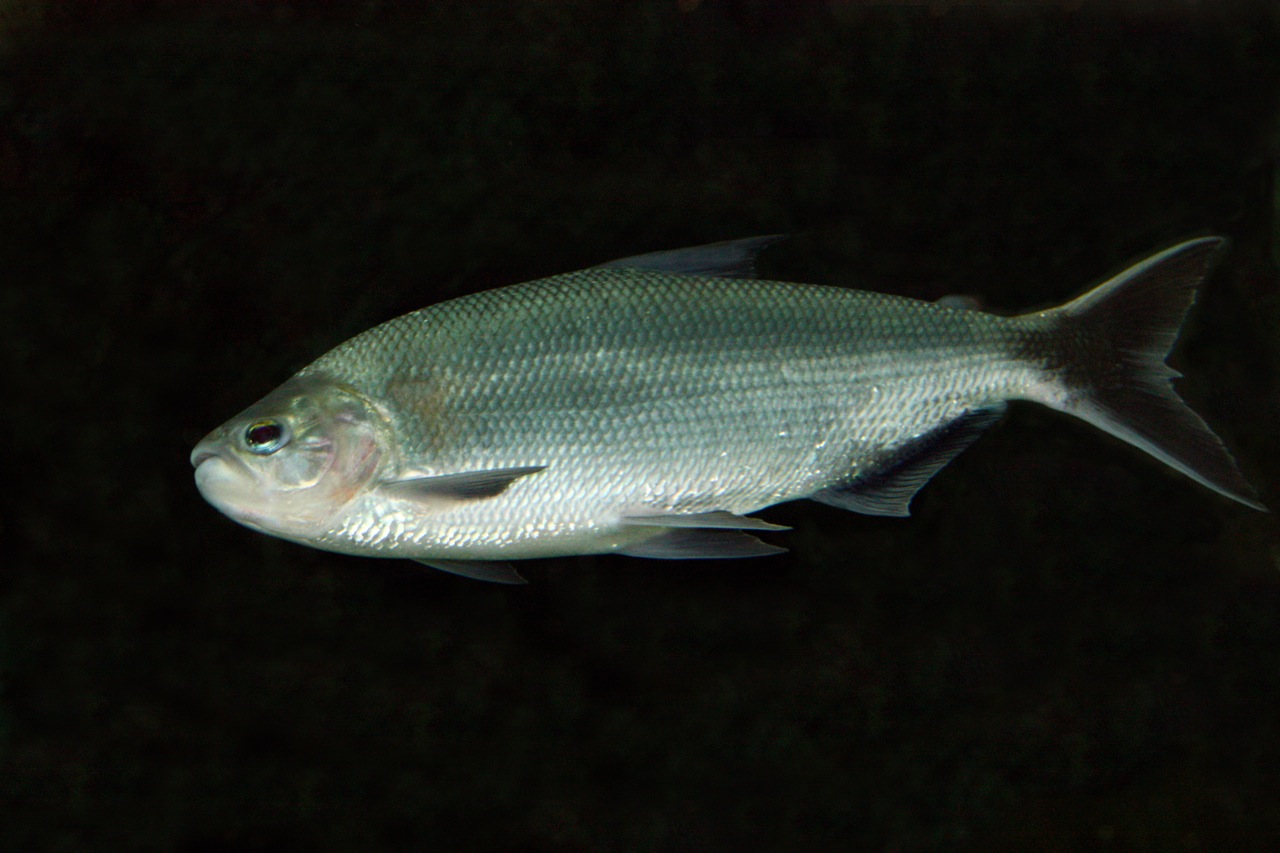
Brycon rubricauda

Little information available currently.  The following data were taken from Fishbase.

Actinopterygii (Ray-finned fishes) > Characiformes (Characins) > Characidae (Characins) > Bryconinae

DISTRIBUTION: South America: native to Magdalena river Basin in Columbia.

HABITAT: Tropical, Benthopelagic; freshwater

APPEARANCE: Maximum length 35 cm, (aprox. 3 feet). Maximum published   weight 725g. (1.6 pounds).

LOCATION: Amazon Flooded Tunnel, AM11

WordPress Shortlink  http://wp.me/p1DZ4b-9p

Pseudoplatystoma fasciatum

Actinopterygii (Ray-finned fishes) > Siluriformes (Catfish) > Pimelodidae (Long-whiskered catfishes)

DISTRIBUTION: South America: Amazon and Orinoco basins.

HABITAT: Riverbeds, shady streams, flooded forest areas.

APPEARANCE: Elongated, streamlined body with long snout; large mouth with three pairs of long barbels. Black spots and stripes on body and fins in irregular pattern; the pattern is banded, thus the common name. Usually silver to brown above; white to silver below.  Can grow to 90 cm or more in captivity.

DIET: Nocturnal hunter; feeds on fish and crabs.

REPRODUCTION and DEVELOPMENT: Separate sexes, external fertilization. Does not guard eggs.

REMARKS: Venomous spines.

Prized as food and game fish, and often found in South American food markets. Flesh is succulent.

WORDPRESS SHORTLINK: http://wp.me/p1DZ4b-8W

LOCATION; Flooded Amazon Tunnel


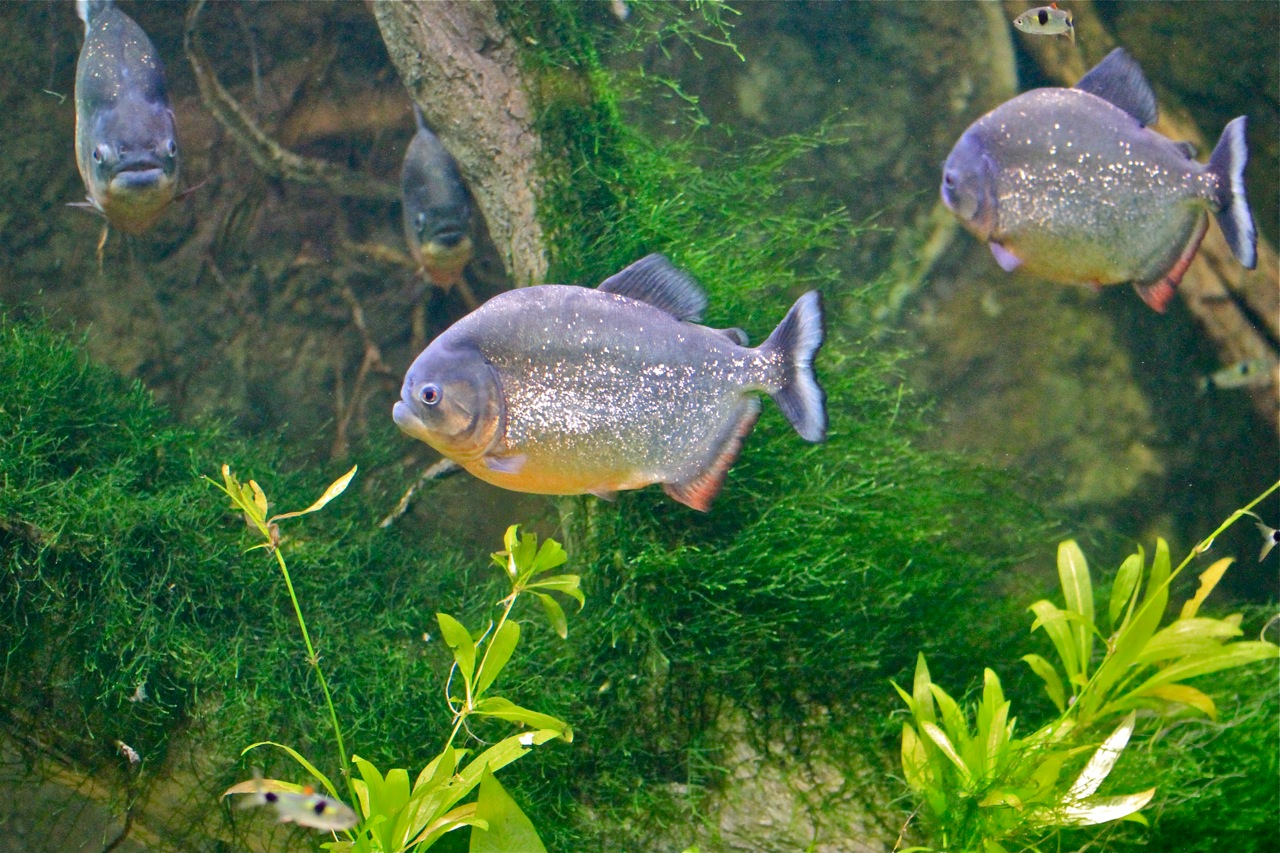
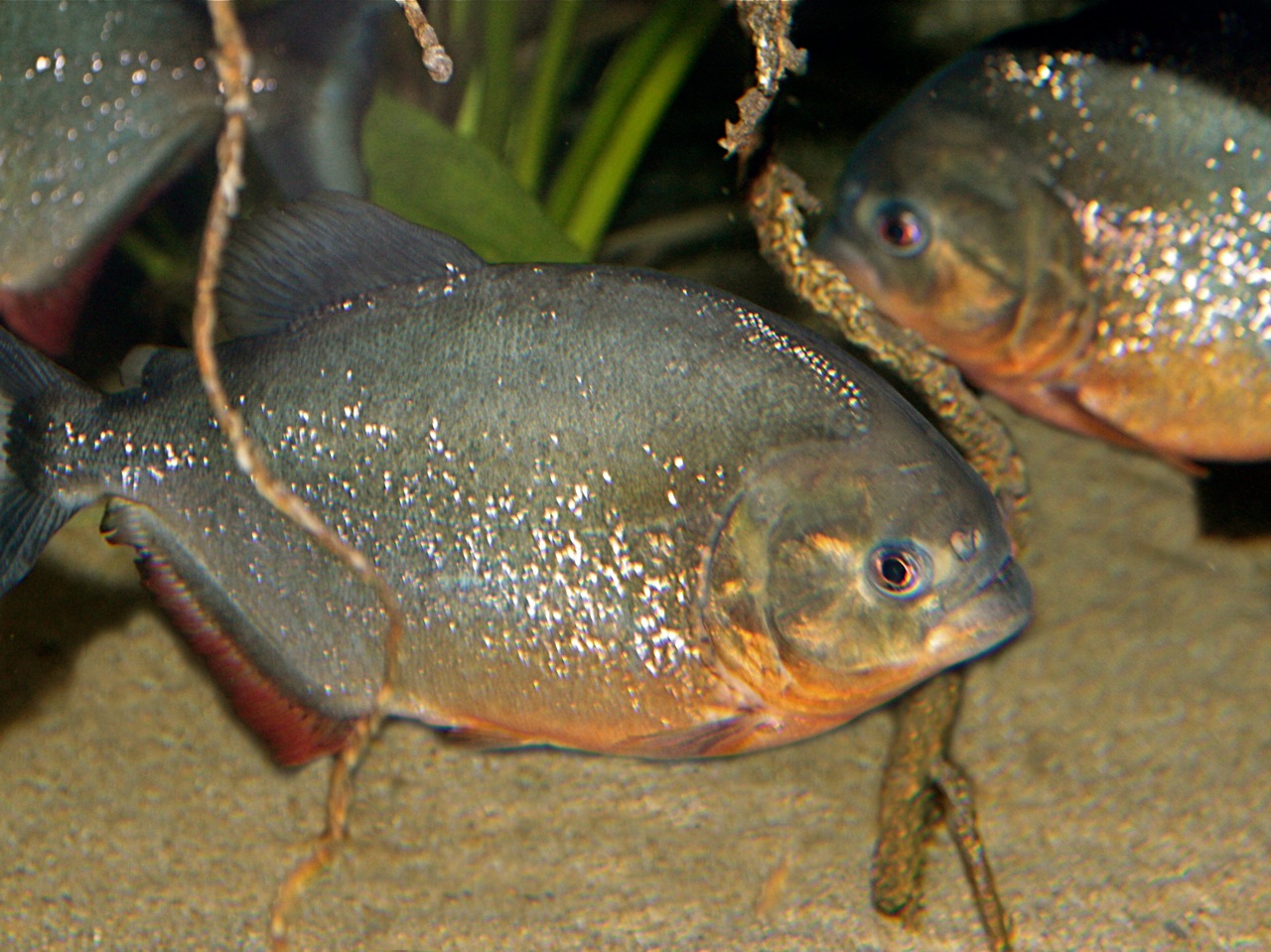
Pygocentrus nattereri
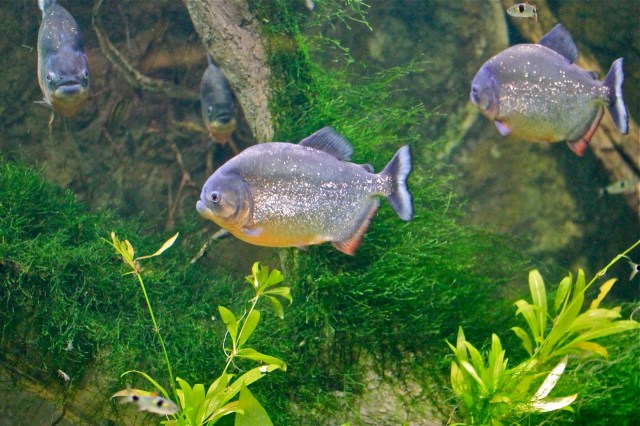
Actinopterygii (Ray-finned fishes) > Characiformes (Characins) > Characidae (Characins)

DISTRIBUTION: Amazon, Paraguay-Paraná and Essequibo basins.

HABITAT: Freshwater creeks and interconnected pools.

APPEARANCE: Length to 33 cm. Weight to 3.8 kg. Laterally compressed. Primarily dark scales with silvery glitter highlights. Chin and belly reddish.
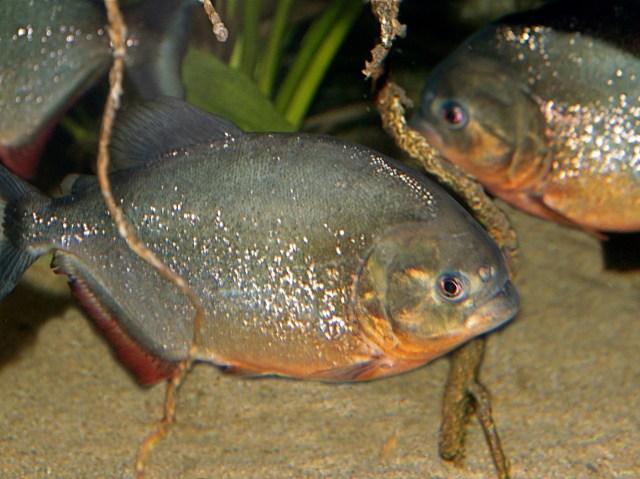
DIET: Prey primarily on wounded and diseased fish. Feed communally in groups of 20–30 individuals who wait in vegetation for the opportunity to ambush prey. Once prey is attacked a feeding frenzy ensues. Adults forage at dusk and dawn, medium-sized fish most active at dawn, late afternoon and at night; small fish feed by day.

REPRODUCTION:  Spawn after an elaborate courtship ritual where the mating pair swim in circles. Female deposits layers of eggs on aquatic plants; male fertilizes. Male defends and turns eggs. Masses hatch in 9 or 10 days.

MORTALITY: Preyed upon by other fishes including large catfish, crocodilians, birds and larger mammals including jaguar.
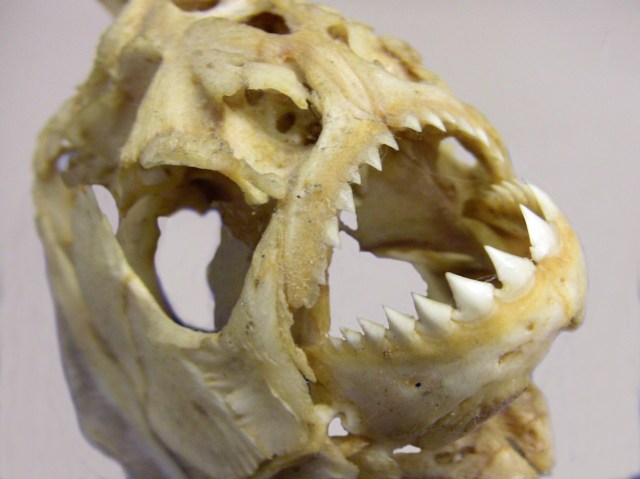
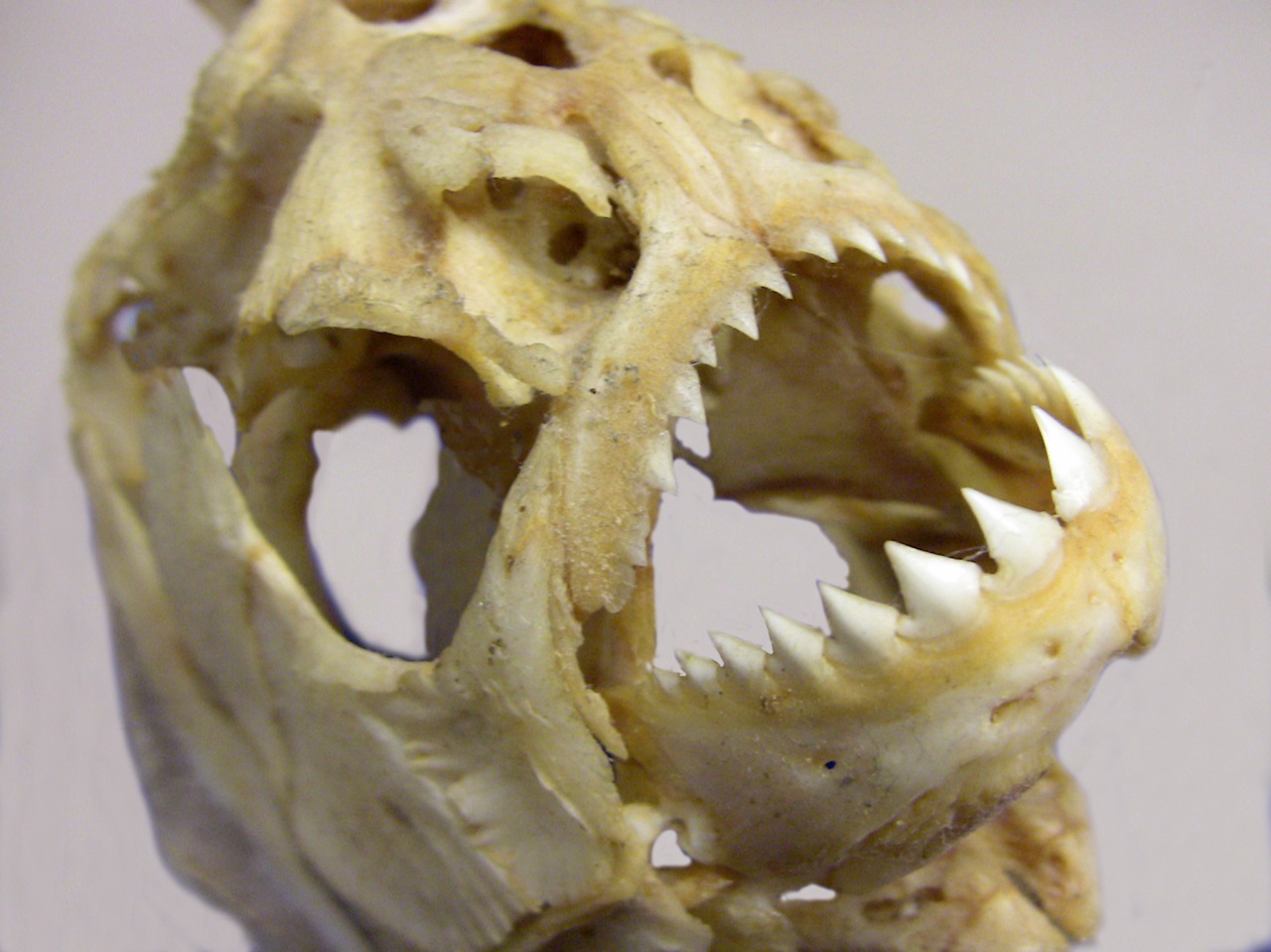
REMARKS:  Piranhas’ reputation to be voracious human-eaters is highly exaggerated. Can inflict a serious bite to humans.  Weak individuals in captivity are cannibalized.  Maintain a vicious bite by regularly replacing teeth on alternate sides of jaw.

Of the 20 or so species of piranha, 12 do not attack in schools. Rather they take a quick bites of the fins or scales of passing fish, causing little damage as these parts grow back. Amazonian Indians use the sharp teeth as knives. They also coat the teeth with curare and attach them to the end of blow darts. AM8

WORDPRESS SHORTLINK  http://wp.me/p1DZ4b-8i

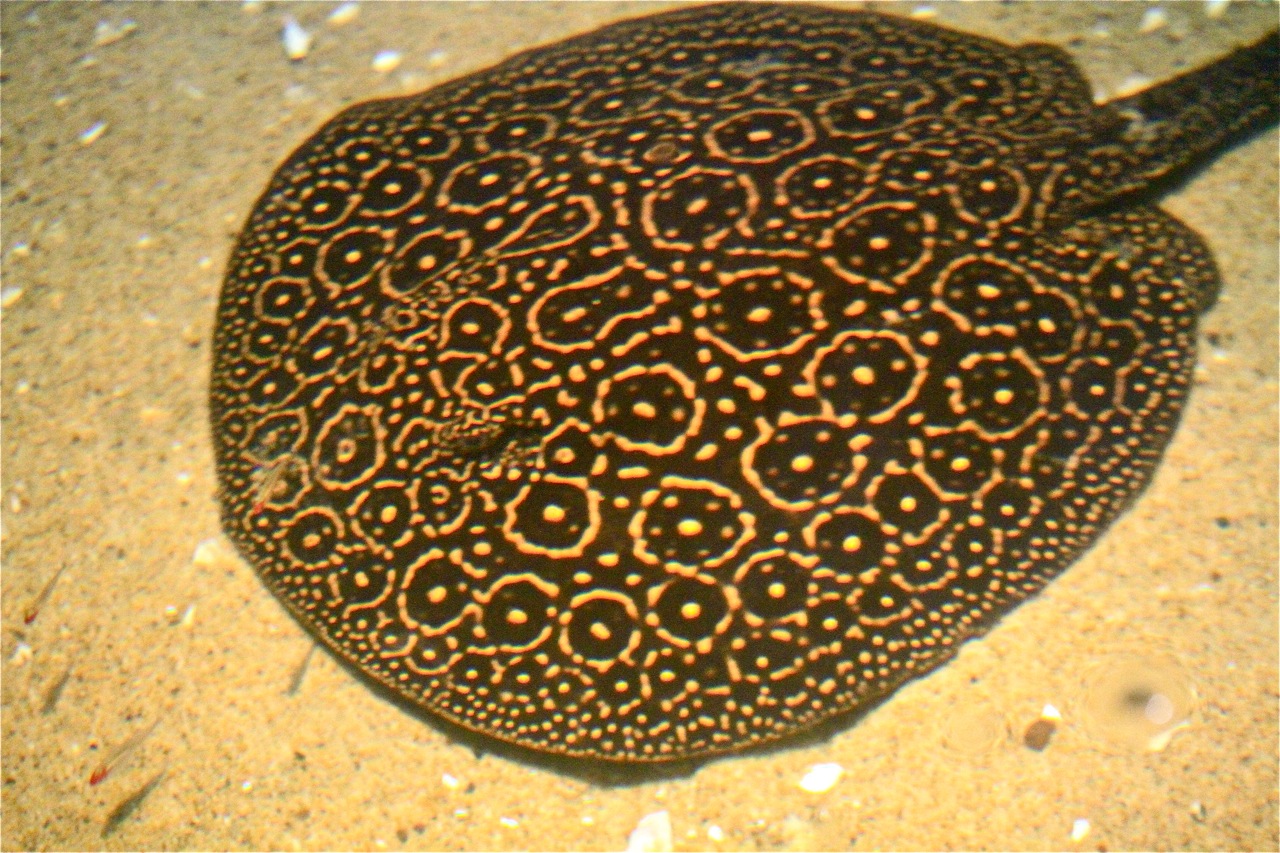
Potamotrygon sp.    Elasmobranchii (Sharks and rays) > Rajiformes (Skates and rays) > Potamotrygonidae (River stingrays) 

DISTRIBUTION: Collected in the Rio Tapajos River, Brazil.

HABITAT: The shallows of major rivers and slow-moving tributaries with substrates of mud or sand.   Lost ability to retain urea decreasing osmolarity for fresh water unlike salt water relatives.

APPEARANCE: The patterning of this “species” is highly variable, with no two examples appearing the same. Some have golden markings, while others are almost white. Similarly, the amount of darker pigmentation can also vary in both shade and coverage.

REMARKS: Consumed by native tribes of the Amazon.

Potamotrygon sp. Have a venomous barb which can cause a serious and painful wound usually in the lower leg.  (Walking with a shuffling gate in water will encourage the ray to move out of the way.)  In severe wounds symptoms may include nausea, vomiting, fainting, salivation, muscle cramps, diarrhea, seizures, shock and rarely death.  Initial treatment uses hot water to help inactivate the venom and transfer to a medical facility to clean the wound and treat symptoms.

WordPress Shortlink  http://wp.me/p1DZ4b-8i


Thalassoma lucasanum (Labridae)  Wrasses  

DISTRIBUTION: Tropical marine waters from the central Gulf of California to the Galapagos Islands.

HABITAT: Shallow reefs at depths of about 48 m as well as near-bottom substrate.

APPEARANCE: Distinctive yellow and red lateral stripes with the less common larger males displaying a blue head with a broad yellow vertical stripe behind the head. It has a cigar-shaped with a pointed snout, thick lips, a protractile mouth and protruding canine teeth. Max. length: 15 cm. Diet: carnivore.

Galapagos Exhibit

WORDPRESS SHORTLINK  http://wp.me/p1DZ4b-7S


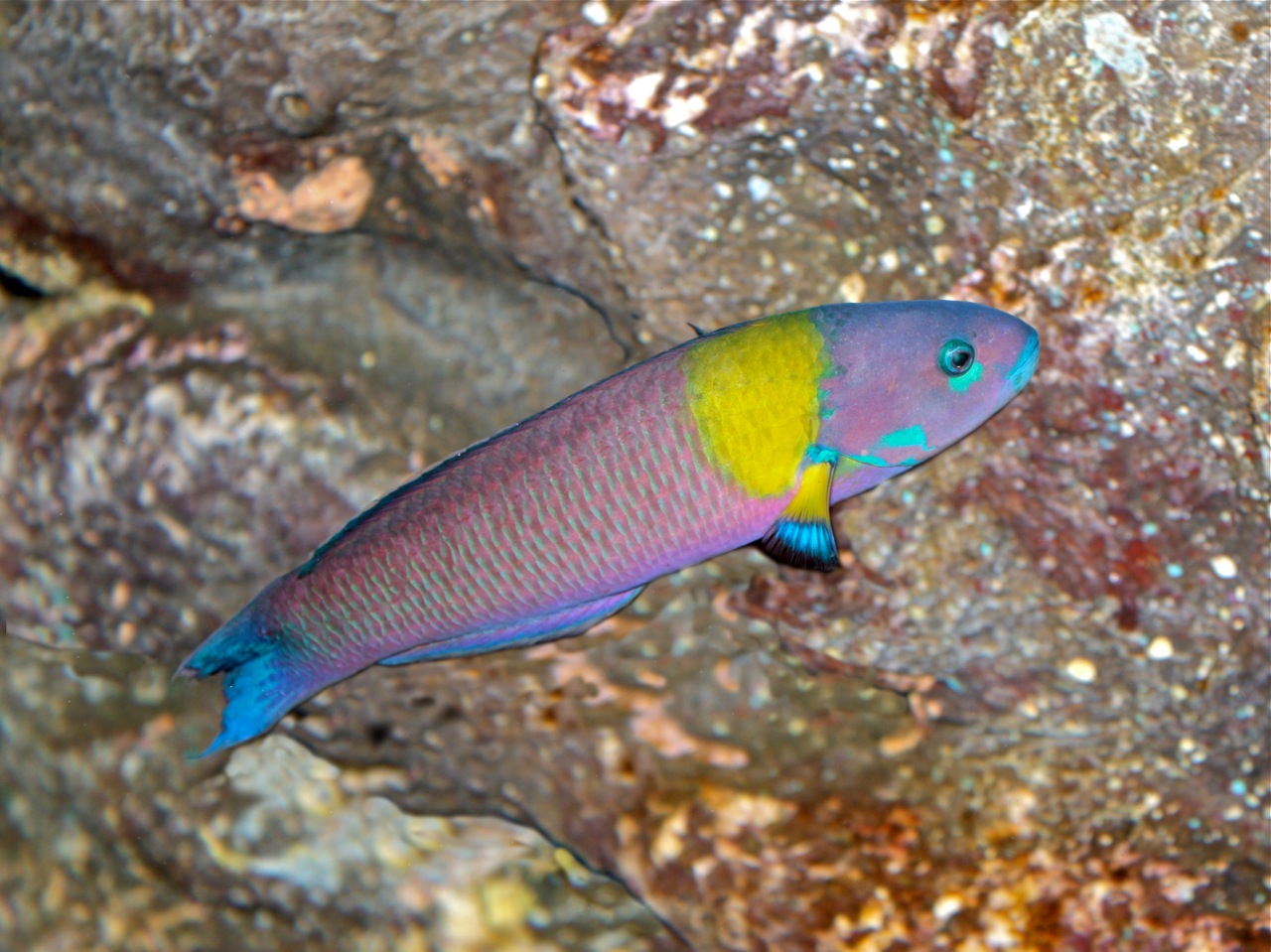
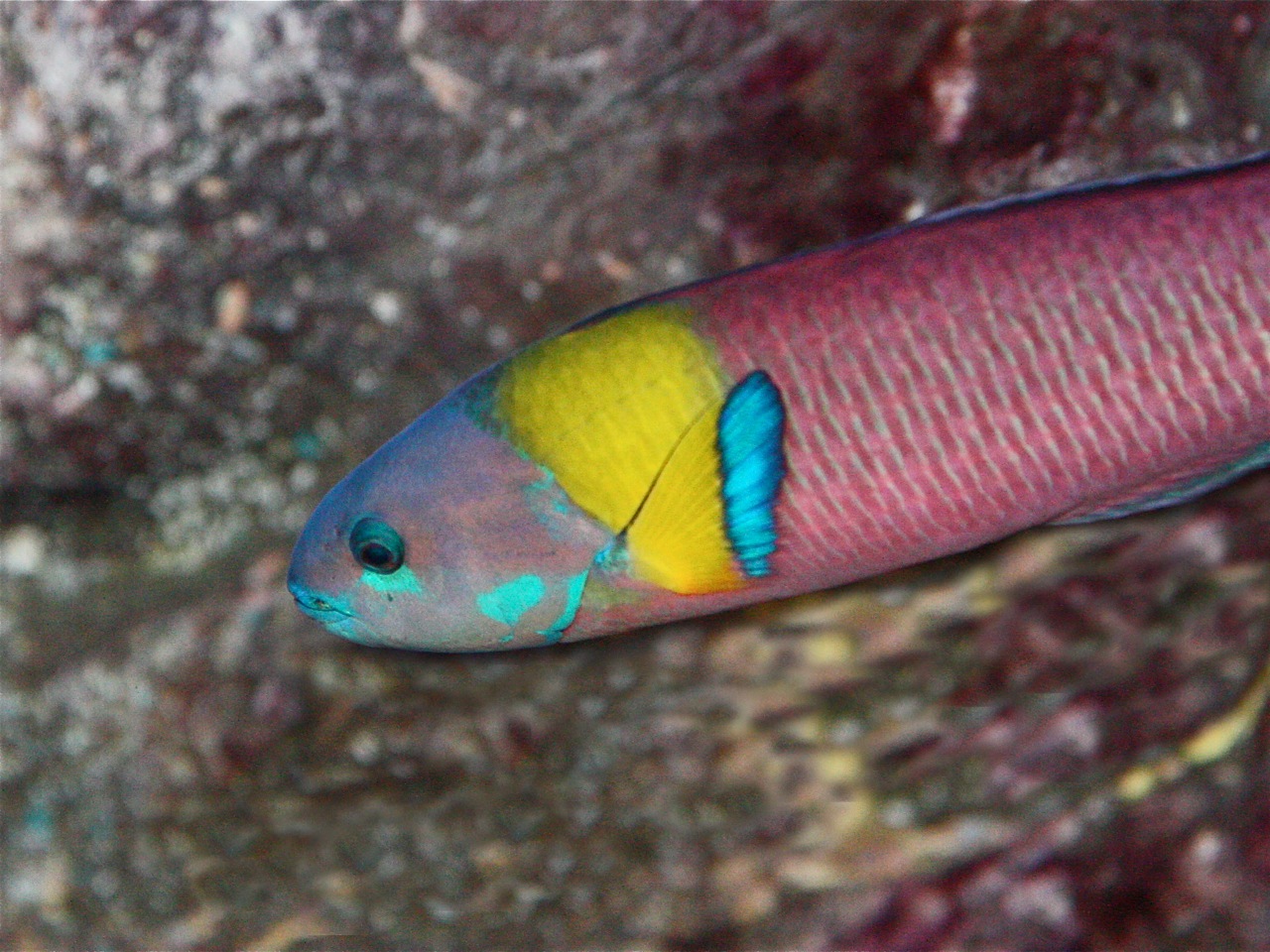
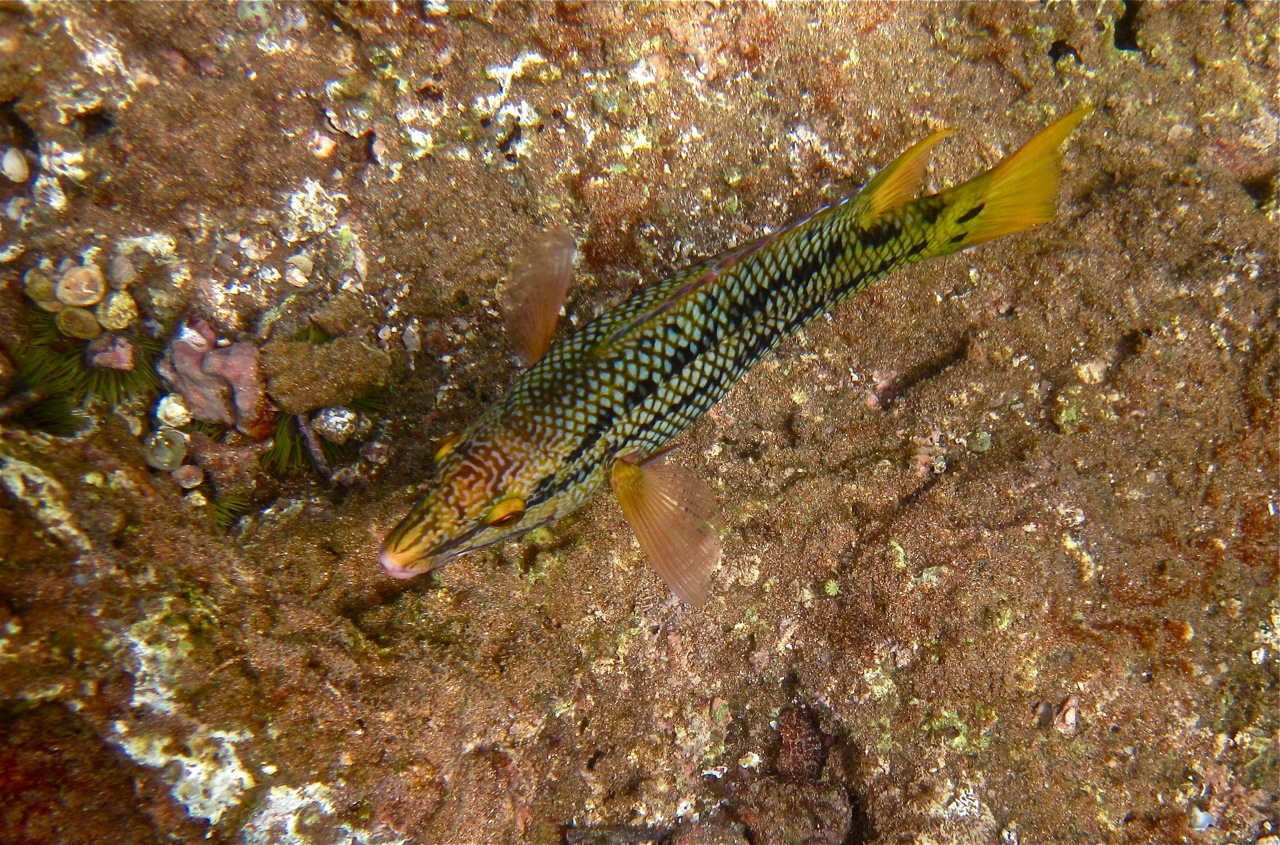
Bodianus diplotaenia  Labridae (Wrasses)  

DISTRIBUTION:  Range includes Isla Guadalupe and the Gulf of California to Chile including the Galápagos Islands. 

HABITAT: Common around shallow reefs but have been recorded to depths of at least 76 m. (250 ft.). 

APPEARANCE: Females are usually reddish in color and tinged with yellow with two dark stripes.  Dominant males are identified by the fleshy lumps on their heads, their coloration is grayish tinged with red and with a yellow bar near the mid section. The tips of all fins except the pectoral are long and filamentous. Adults from deep water (76m/250 feet) are bright red with the yellow mid-body bar. At .8 m (2.5 feet) and 9 kg (20 lb.)  the Mexican hogfish is the largest shallow water wrasse in the Gulf of California.   


REPRODUCTION: Starts life as a female, later becoming a functional male.  Sex change may be due to local social conditions, but it may also have a genetic component.

REMARKS: Like other wrasses, B. diplotaenia is diurnal and inactive during the night.  At night it sleeps in cracks and crevices of rocks and caves. 

Location: Galápagos Islands  8/22/11

WORDPRESS SHORTLINK    http://wp.me/p1DZ4b-7x