Tag Archive: Characins


Phylum:Chordata, Superclass: Osteichthyes,  Class:Actinopterygii (Ray-finned fishes), Order: Characiformes (Characins) Family: Lebiasinidae (Pencilfishes). .

Copella arnoldi

DISTRIBUTION: Guyana, Suriname, French Guiana and Brazil

HABITAT: Streams and tributaries off main river channels, and also occurs in flooded forests during the wet season with large amounts of overhanging vegetation.

APPEARANCE: Length 1.6″ (4cm).  The male grows larger than the female, and is more brightly coloured. Mature males also develop extended fins.

DIET: Feeds on worms, insects and crustaceans.

REPRODUCTION and DEVELOPMENTC. arnoldi   spawn on the underside of plant leaves or other surfaces that, are always above the water surface. The spawning site is selected by the male who once a site has been chosen will display at and follow a female forming a pair. At the climax of courtship, the pair lock themselves together using their fins, and jump out of the water, landing on the spawning site. Using their ventral fins, they can hold themselves here for up to 10 seconds, as eggs and sperm are released. Up to 12 eggs may be laid and fertilized, and the process is then repeated. Usual brood size is approximately 50.

LOCATION: Animal Attraction Series, Staff picks

flickr site  http://www.flickr.com/photos/cas_docents/6699435185/in/set-72157620568438047

WORDPRESS SHORTLINK  http://wp.me/p1DZ4b-lz
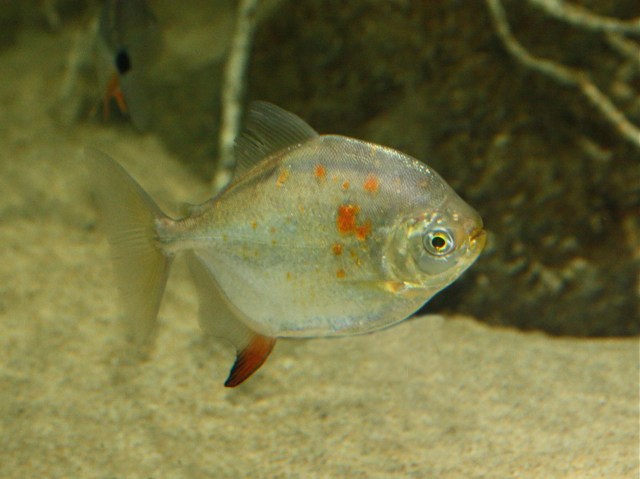
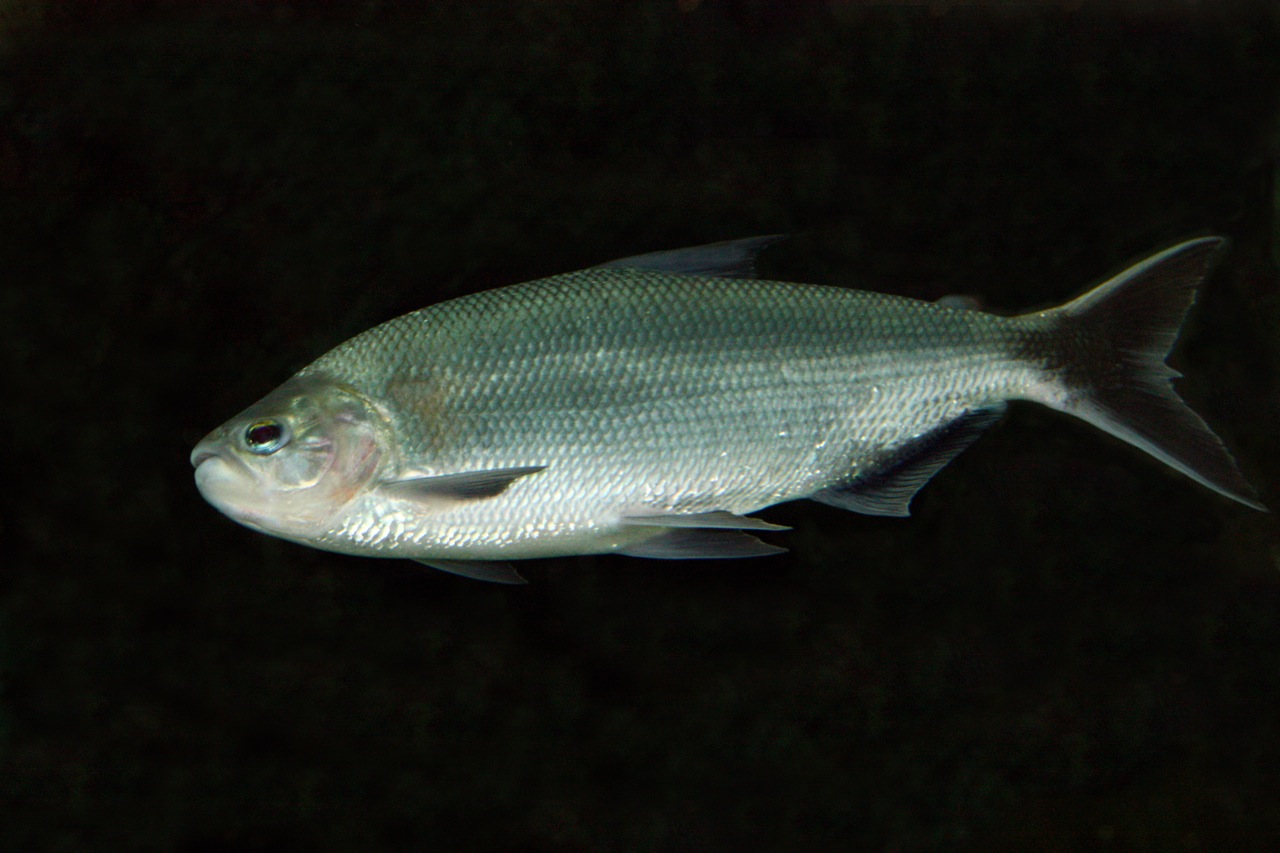
Metynnis sp. (Characidae) Characins

DISTRIBUTION: Tropical South America primarily Amazon and Orinoco basins.

HABITAT: Calm river reaches overhung by foliage.

APPEARANCE: Almost circular in profile; juveniles may be spotted or striped; adults solidly silver with anal and caudal fins edged in red or orange; grows to length of 30 cm (12 in) in wild.

DIET: Generally herbivorous, eating leaves of river plants; occasionally eats worms and small insects.

REPRODUCTION and DEVELOPMENT: Females release up to 2000 eggs; juveniles hatch in a few days.

REMARKS: A schooling species related to piranhas.  

LOCATION: Anaconda exhibit, AM3

WORDPRESS SHORTLINK  http://wp.me/p1DZ4b-ca


Brycon rubricauda

Little information available currently.  The following data were taken from Fishbase.

Actinopterygii (Ray-finned fishes) > Characiformes (Characins) > Characidae (Characins) > Bryconinae

DISTRIBUTION: South America: native to Magdalena river Basin in Columbia.

HABITAT: Tropical, Benthopelagic; freshwater

APPEARANCE: Maximum length 35 cm, (aprox. 3 feet). Maximum published   weight 725g. (1.6 pounds).

LOCATION: Amazon Flooded Tunnel, AM11

WordPress Shortlink  http://wp.me/p1DZ4b-9p

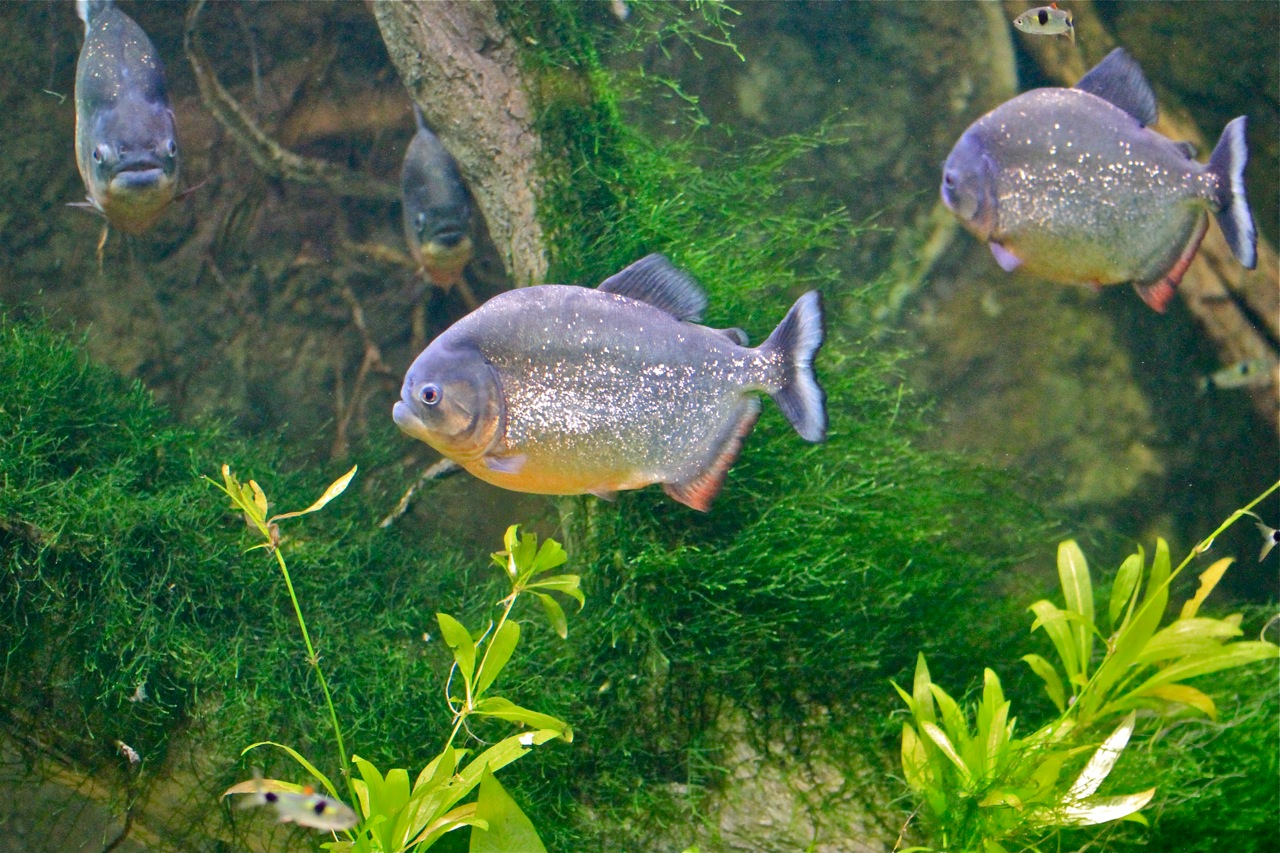
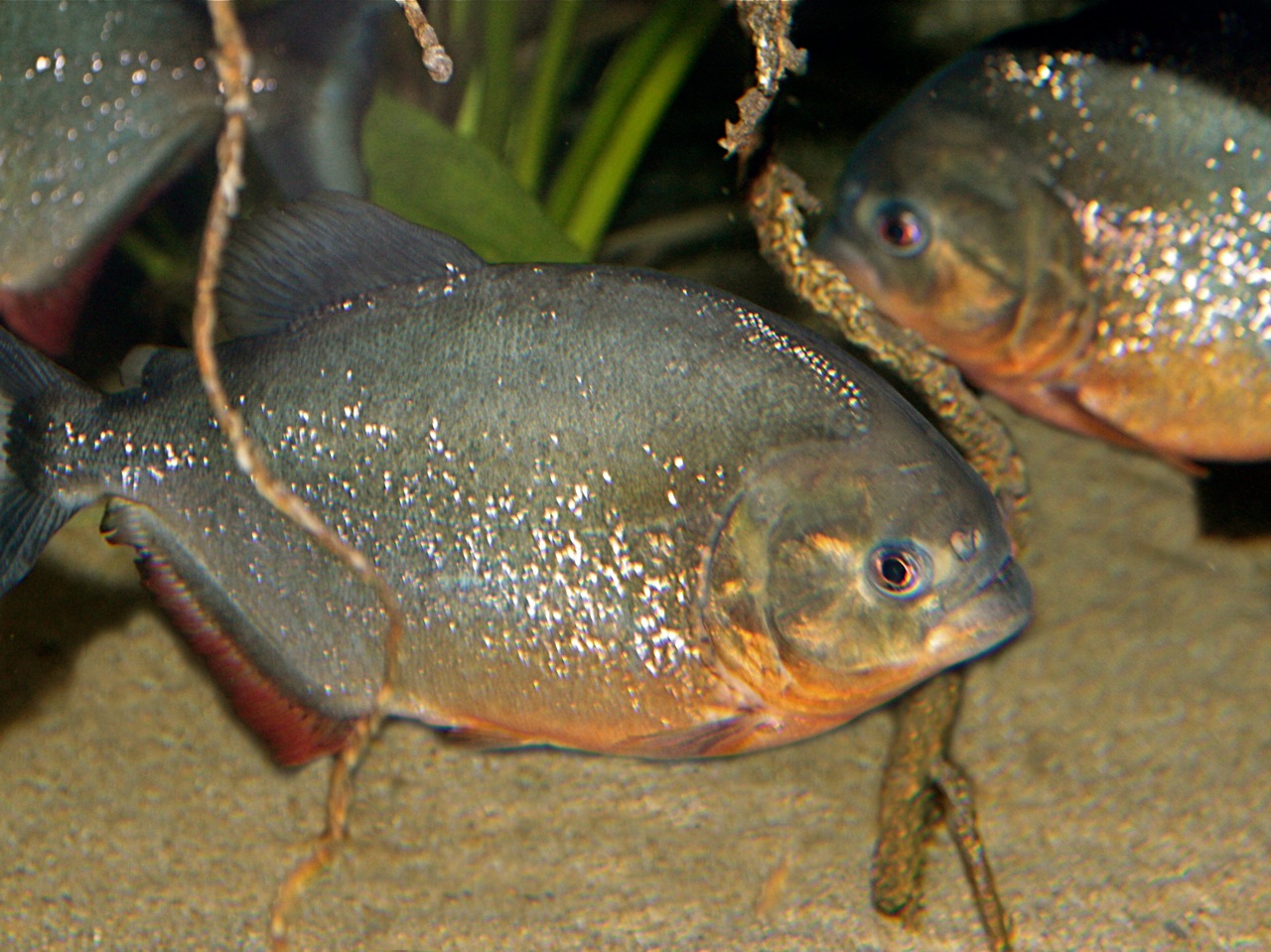
Pygocentrus nattereri

Actinopterygii (Ray-finned fishes) > Characiformes (Characins) > Characidae (Characins)

DISTRIBUTION: Amazon, Paraguay-Paraná and Essequibo basins.

HABITAT: Freshwater creeks and interconnected pools.

APPEARANCE: Length to 33 cm. Weight to 3.8 kg. Laterally compressed. Primarily dark scales with silvery glitter highlights. Chin and belly reddish.

DIET: Prey primarily on wounded and diseased fish. Feed communally in groups of 20–30 individuals who wait in vegetation for the opportunity to ambush prey. Once prey is attacked a feeding frenzy ensues. Adults forage at dusk and dawn, medium-sized fish most active at dawn, late afternoon and at night; small fish feed by day.

REPRODUCTION:  Spawn after an elaborate courtship ritual where the mating pair swim in circles. Female deposits layers of eggs on aquatic plants; male fertilizes. Male defends and turns eggs. Masses hatch in 9 or 10 days.

MORTALITY: Preyed upon by other fishes including large catfish, crocodilians, birds and larger mammals including jaguar.

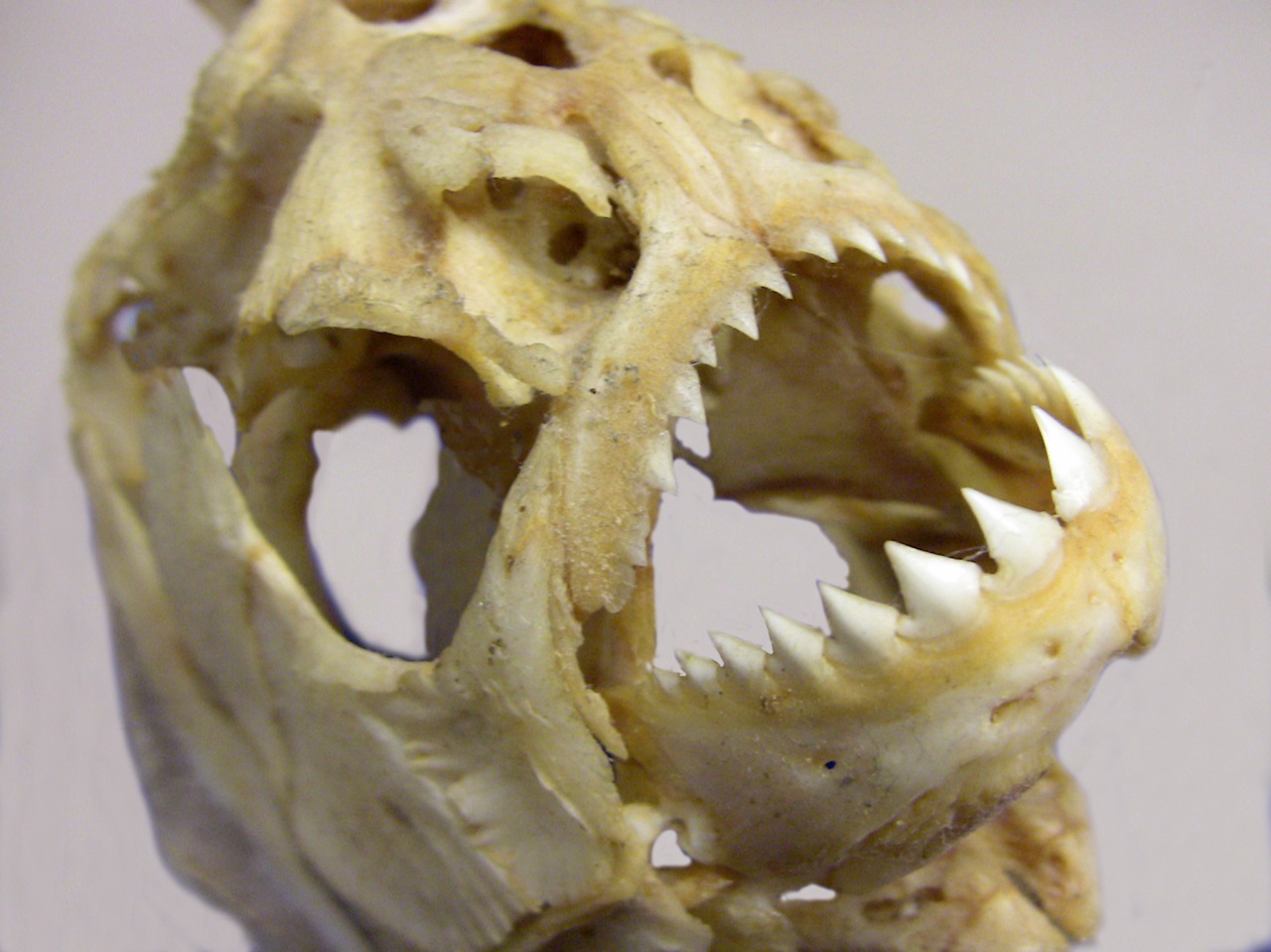
REMARKS:  Piranhas’ reputation to be voracious human-eaters is highly exaggerated. Can inflict a serious bite to humans.  Weak individuals in captivity are cannibalized.  Maintain a vicious bite by regularly replacing teeth on alternate sides of jaw.

Of the 20 or so species of piranha, 12 do not attack in schools. Rather they take a quick bites of the fins or scales of passing fish, causing little damage as these parts grow back. Amazonian Indians use the sharp teeth as knives. They also coat the teeth with curare and attach them to the end of blow darts. AM8

WORDPRESS SHORTLINK  http://wp.me/p1DZ4b-8i